Mesh-represented and learning-empowered hologram synthesis for full 3D holographic displays
Abstract
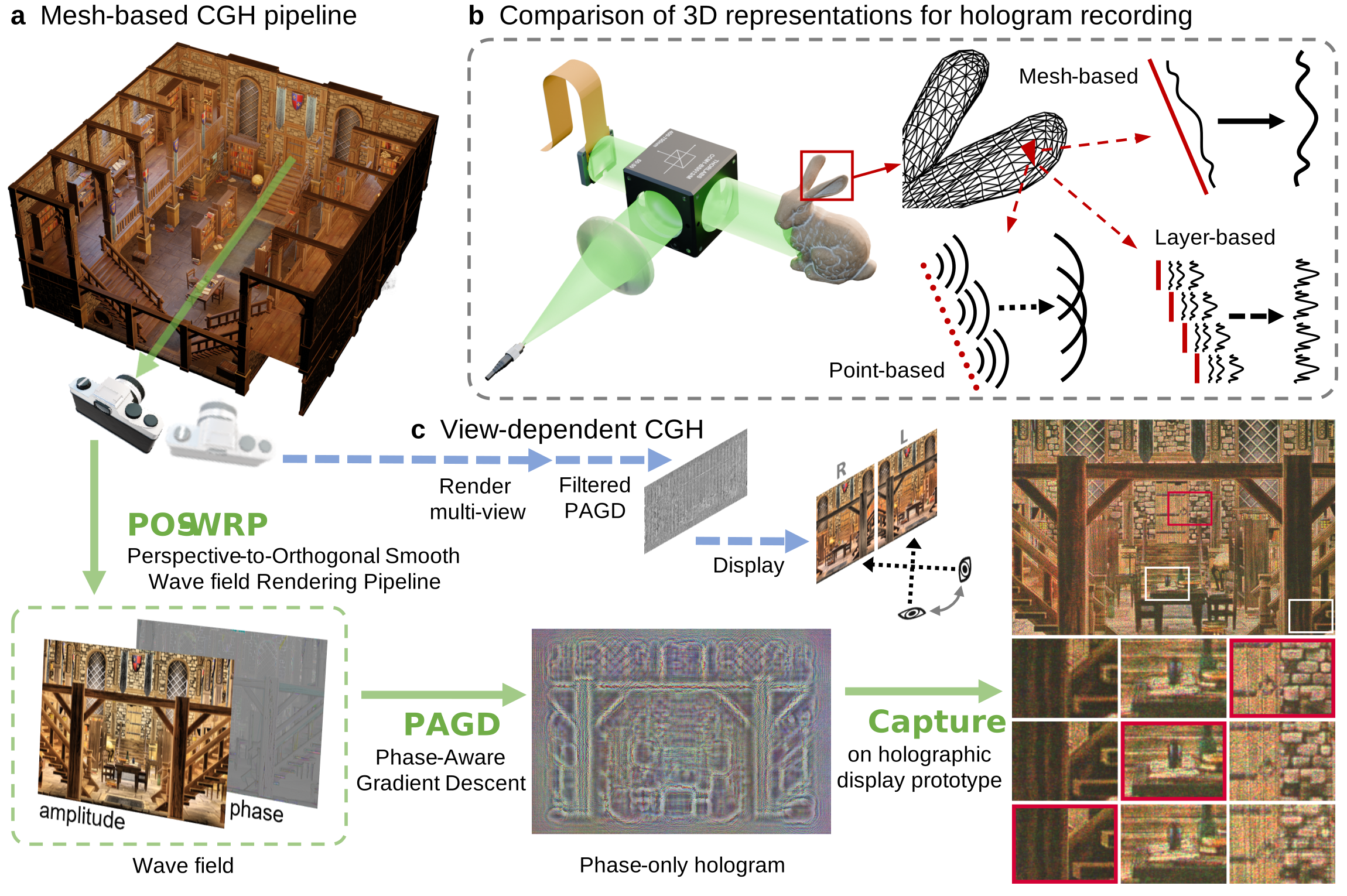
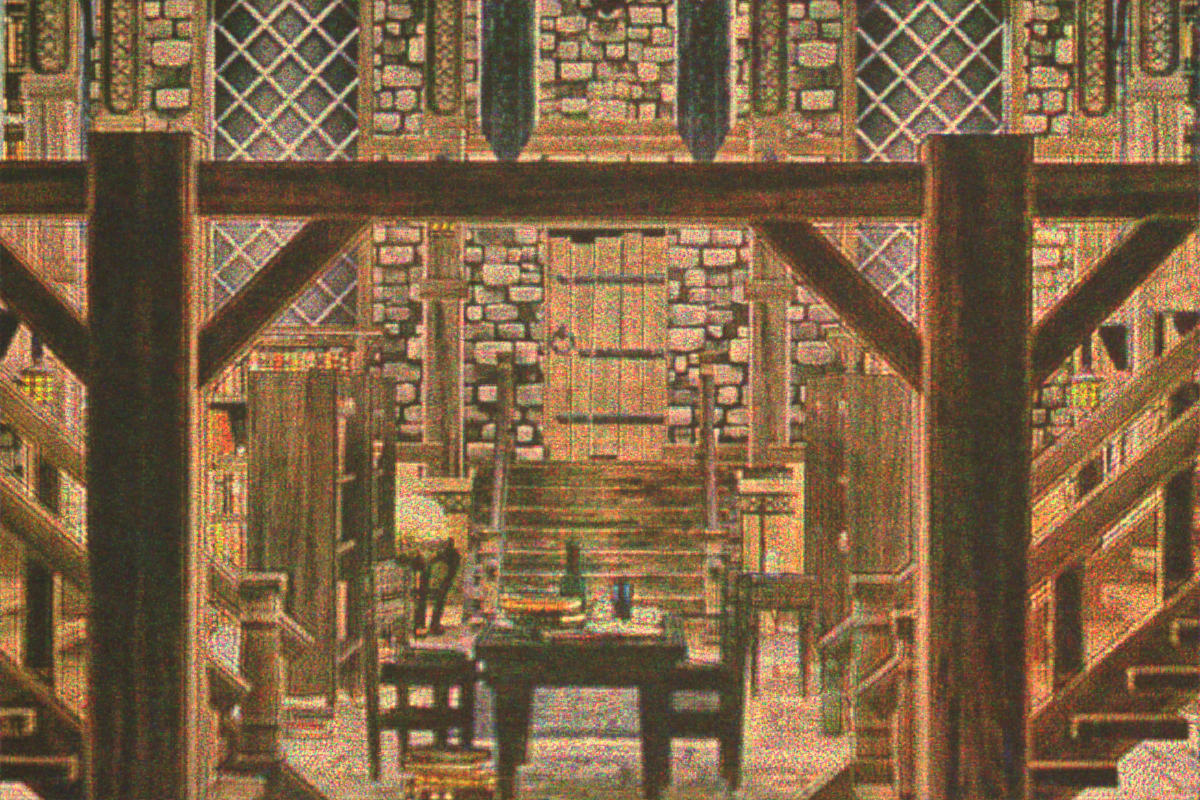
Holographic displays are a transforming technology for immersive virtual and augmented reality systems. Exploring accurate yet efficient computer-generated holography (CGH) algorithms for three-dimensional (3D) content is a valuable research field. Recent advancements in layer-based CGH may exhibit limited capacity to convey comprehensive 3D information in accurately representing tilted angular spectrum and realizing realistic defocus blur. Alternative approaches based on point clouds and light fields may demand significant computational resources for preparing adequate target data for optimization. In addition, most existing CGH algorithms rely on heuristics to encode complex amplitudes into phase-only holograms for display, which can be highly ill-posed. Here we investigate an innovative CGH framework that overcomes these challenges using a unique combination of mesh-based representation, tilt-angle tailored wave propagation modeling, and complex-valued optimization, alongside a learning-empowered display calibration scheme using camera feedback.The resulting expanded hologram encoding capabilities enable the delivery of natural 3D depth cues, including smooth defocus blur and view-dependent effects. Experimental results conducted on our holographic near-eye display prototype demonstrate unprecedented full 3D visual quality, representing a significant advancement in creating immersive visualization experiences.
Results
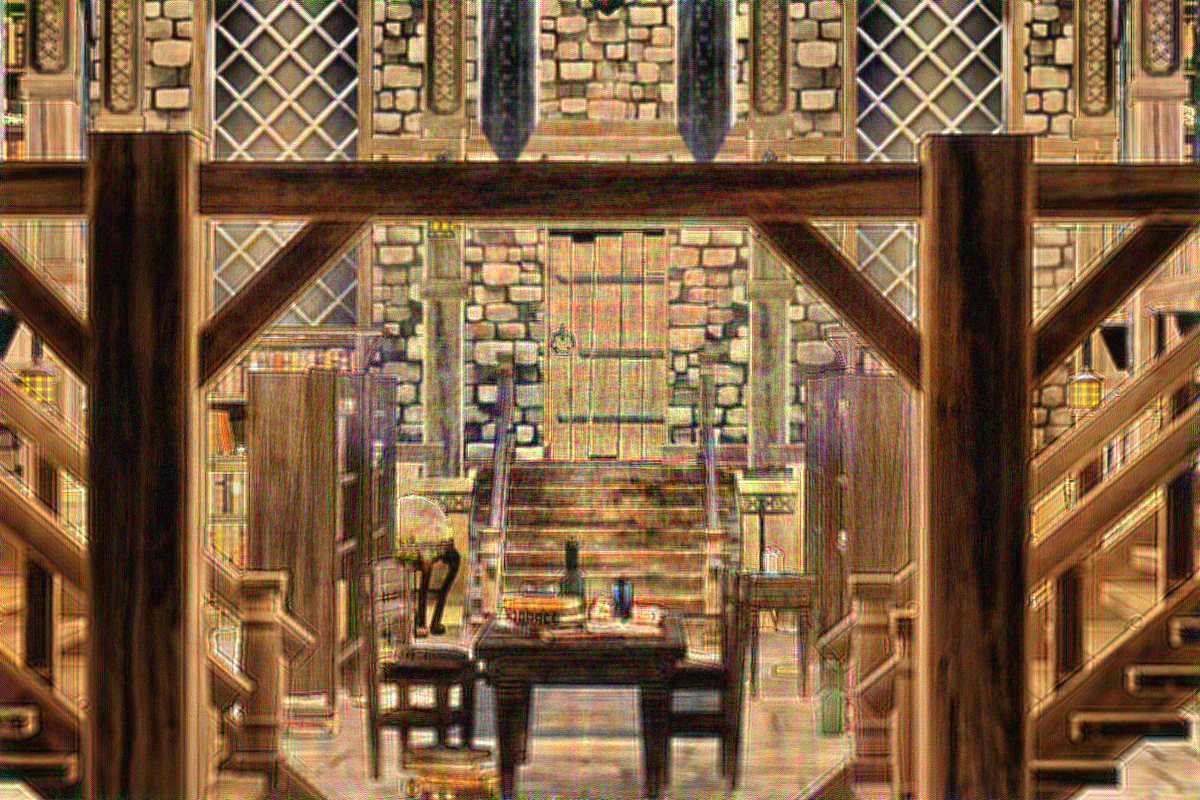
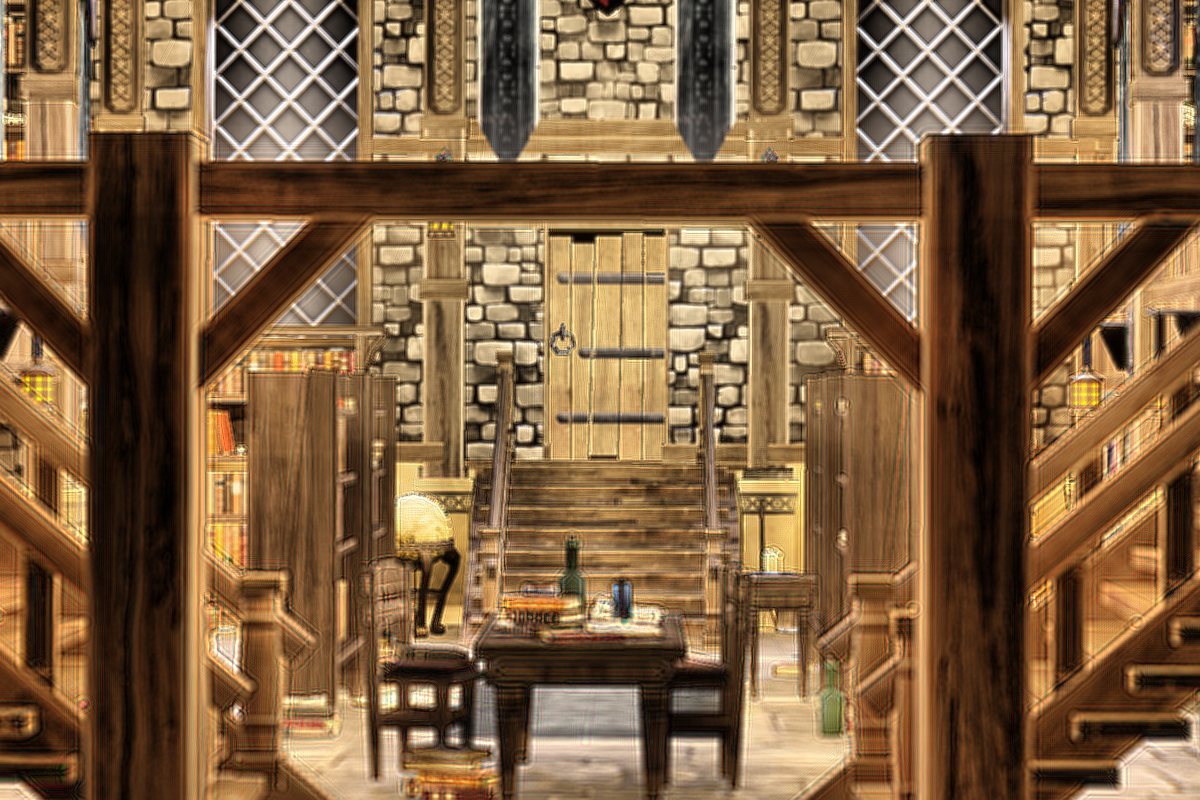
Simulation Results
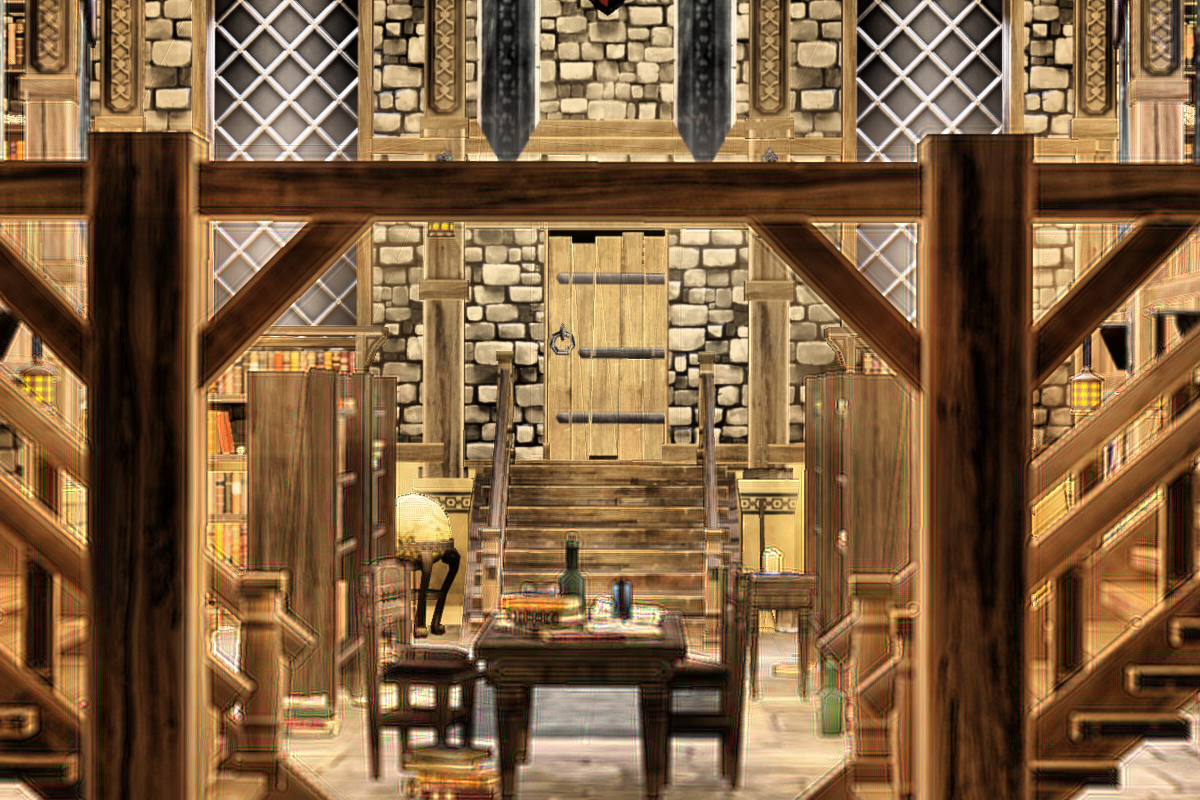
Experimental Results
Quantitative Evaluation of Quality and Efficiency
Results presented in the following table reveal that leveraging a true 3D dataset further enhances the model's capacity to handle tilted wave fields, leading to superior reconstruction quality for 3D meshes.
| PSNR ↑ | SSIM ↑ | |
|---|---|---|
| Mesh + DPAC | 13.54 | 0.328 |
| Mesh + ASM-PAGD | 15.06 | 0.321 |
| RGBD + Learned Amp-only SGD | 16.00 | 0.294 |
| Mesh + Learned PAGD (2D*) | 16.21 | 0.306 |
| Mesh + Learned PAGD (3D*) | 17.09 | 0.341 |
* 2D phase: The forward model employed was trained with 2D phase-only holograms;
* 3D phase: The forward model employed was trained with 3D holograms generated by ASM-PAGD.
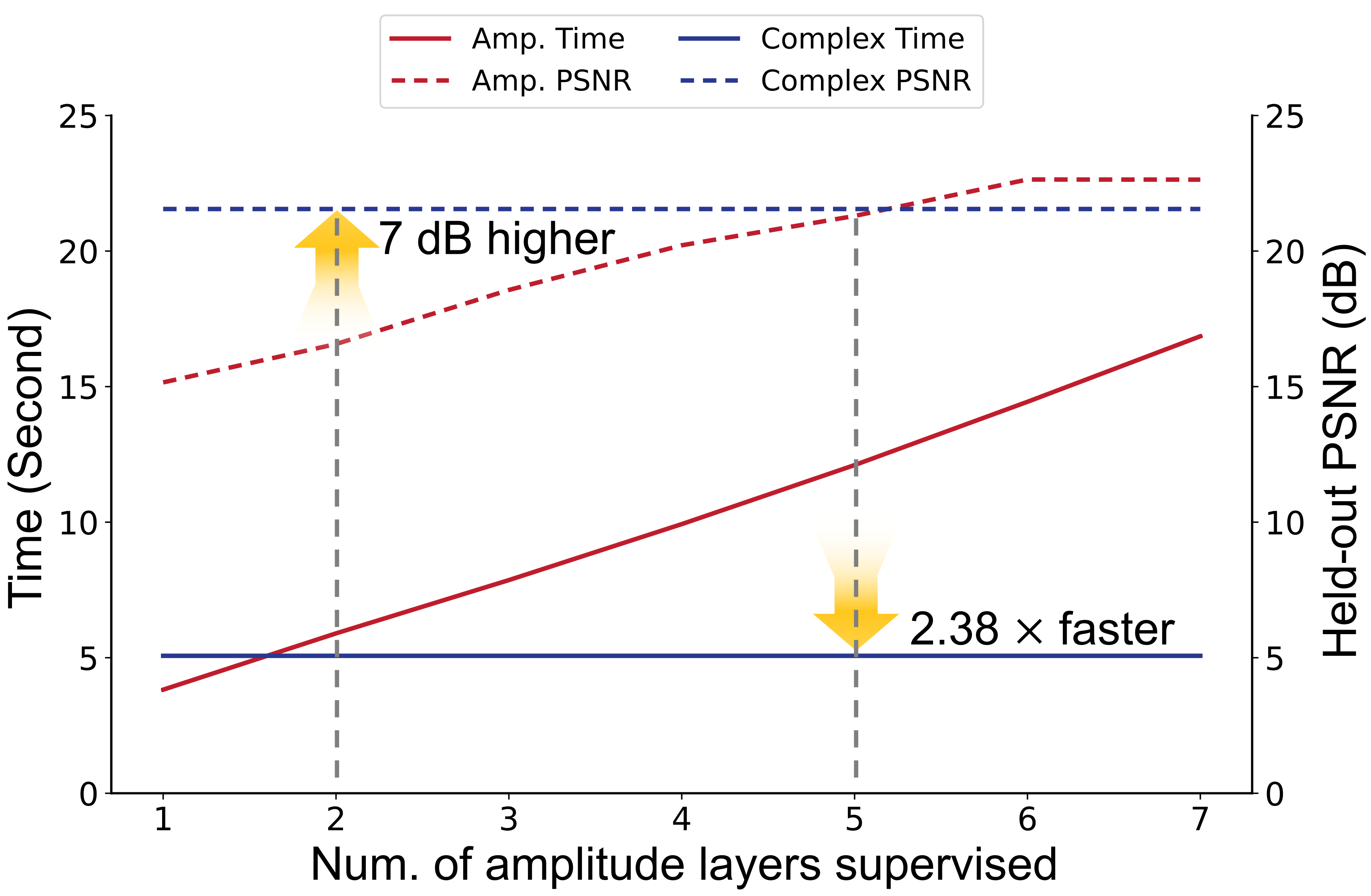
The following figure illustrates that phase information can help reduce the number of required supervised planes while maintaining equivalent imaging quality.
Mesh Holography Pipeline
Rendering Wave Field of Mesh-represented Scenes
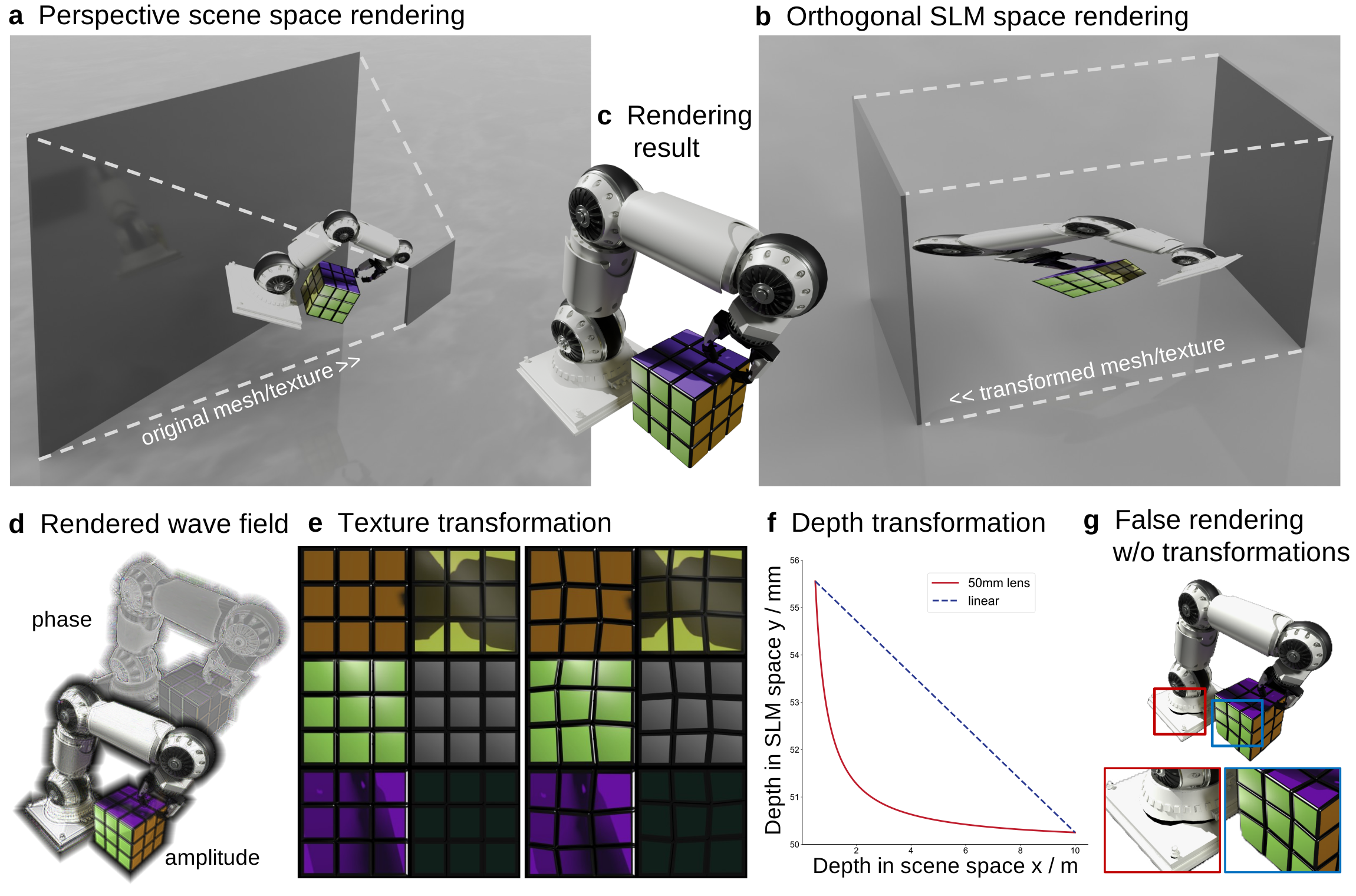
We introduce a novel rendering pipeline that transforms 3D mesh scenes into holographic wave fields by combining texture baking with a perspective-to-orthogonal transformation, preserving depth cues, lighting, and geometric detail during propagation.The projection-corrected meshes and textures generate smoother phase distributions and reduce artifacts and speckles.
Phase-only Hologram Synthesis
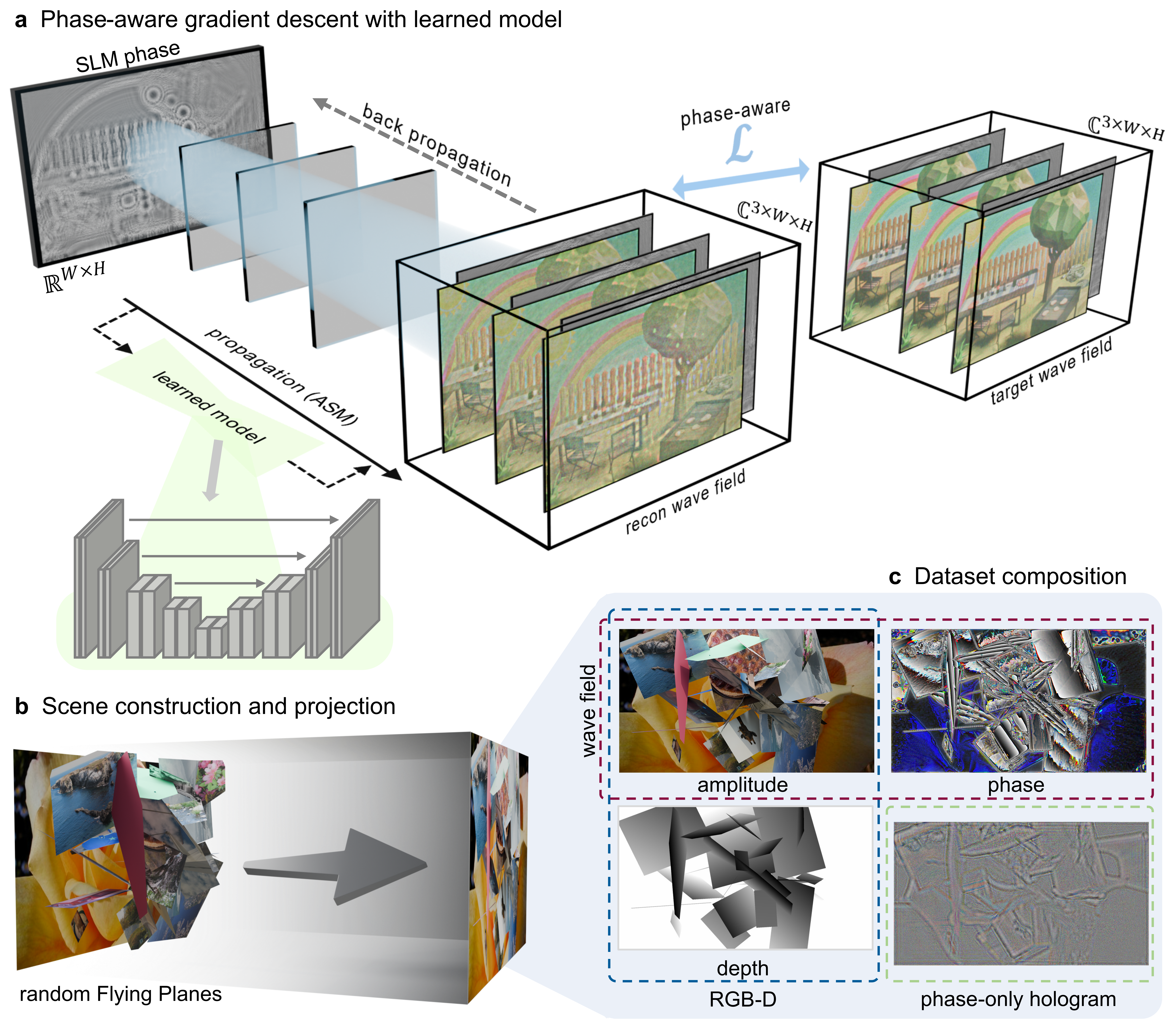
We propose PAGD, a phase-aware optimization method that converts POS-WRP-rendered complex wave fields into phase-only holograms. By supervising both amplitude and phase and using a camera-calibrated learned propagation model, our method better matches real optical hardware and preserves continuous 3D depth cues, producing sharper, higher-contrast holographic reconstructions with fewer artifacts and more natural defocus blur.
View-dependent Holography with PAGD
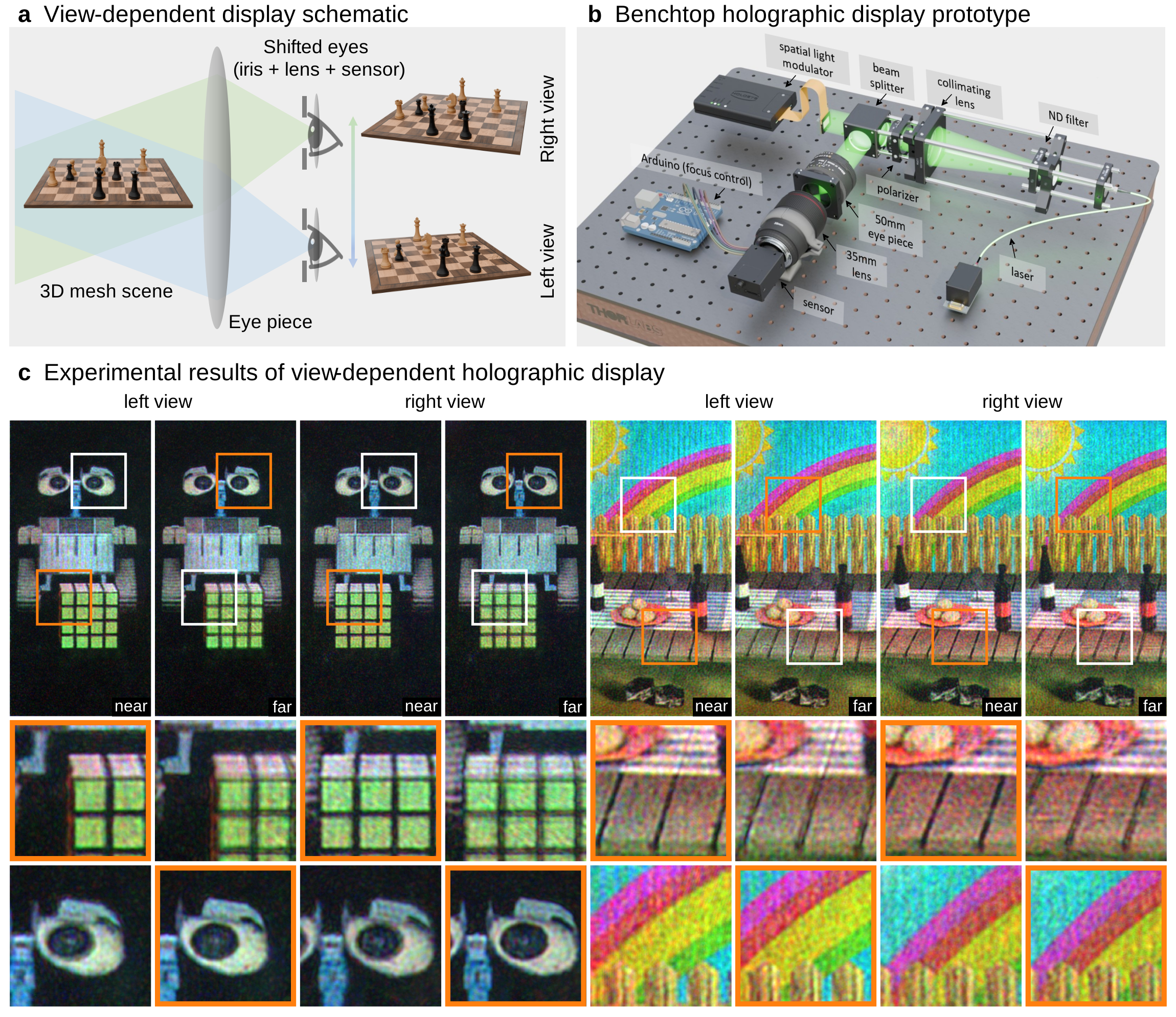
Our framework naturally supports view-dependent holography by encoding multi-view complex wave fields with blazed gratings and optimizing them through PAGD. With a camera-calibrated forward model and Fourier-plane pupil filtering, the system reconstructs viewpoint-specific images with correct occlusion changes, detailed textures, and continuous depth cues.
BibTeX
    @Article{MeshHolography2026,
    author={Meng, Xiangyu
    and Zhou, Wenbin
    and Peng, Yifan},
    title={Mesh-represented and learning-empowered hologram synthesis for full 3D holographic displays},
    journal={Nature Communications},
    year={2026},
    month={Jun},
    day={24},
    issn={2041-1723},
    doi={10.1038/s41467-026-74557-0},
    url={https://doi.org/10.1038/s41467-026-74557-0}
    }